
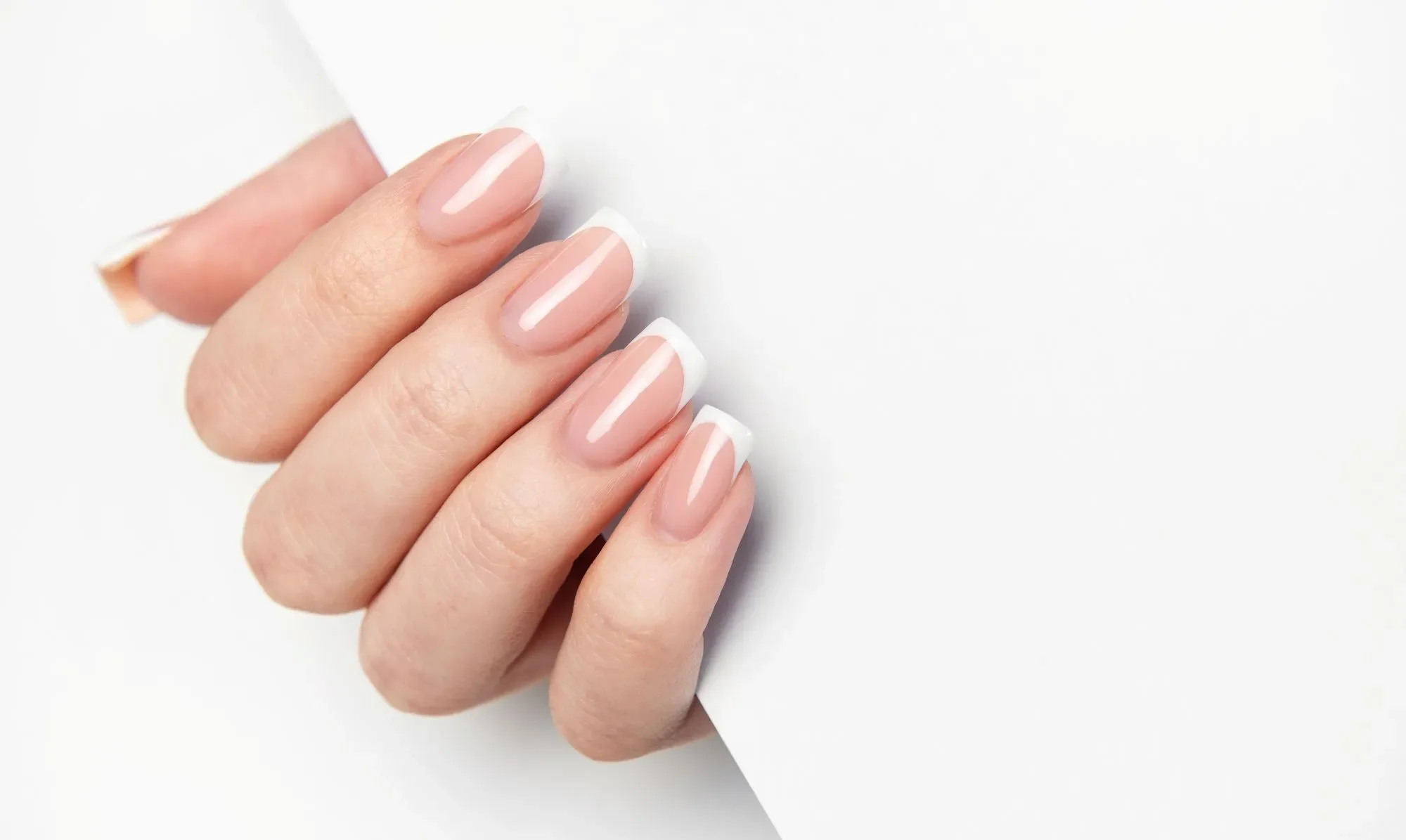
Choosing a nail shape is not merely an aesthetic choice. It is a structural decision that influences how long a manicure lasts, how comfortable daily tasks feel, and how balanced the fingers appear. Nail shape plays a major role in breakage because sharp corners and narrow points concentrate mechanical stress along the free edge during everyday wear.
Consumer preferences have also shifted toward functional personalization. A recent trend analysis by News18 notes that extreme, impractical lengths are giving way to wearable silhouettes. Soft almond and short squoval shapes paired with milky neutrals have grown in popularity because they hold up better against laptop keyboards and busy workdays.
What Determines the Right Nail Shape?
Finding your ideal nail silhouette relies on a consultation framework that evaluates finger anatomy, daily lifestyle, and the enhancement system used. Harmonious results often follow the "Cuticle Mirror Rule," which suggests that mirroring the natural curve of the base cuticle at the free edge yields a visually balanced result. Curved cuticles naturally suit round, oval, or almond tips, while squared cuticles harmonize with square or squoval designs.
Your lifestyle also influences structural needs. Hands-on professions benefit from shapes without sharp corners that can snag on gloves or fabrics, while frequent typists often prefer shapes and lengths that allow the soft pads of the fingers to strike the keys rather than the nail tip.
The 7 Core Nail Shapes Compared
Different shapes offer varying levels of durability and maintenance. Here is a breakdown of the primary nail shapes requested in salons today.
Nail Shape
Structural Profile
Durability Rating
Best Finger Anatomy
Ideal Lifestyle
Round
Follows natural fingertip curve; no corners
Highest
Short fingers, wide or narrow beds
Healthcare, chefs, heavy typists
Squoval
Flat square tip with softly rounded corners
High
Universally flattering
Corporate professionals, minimalists
Oval
Straight sidewalls tapering into a soft curve
Moderate-High
Short fingers seeking elongation
Hybrid office roles, everyday elegance
Almond
Tapered sidewalls meeting at a soft peak
Moderate
Longer, narrower nail beds
Fashion professionals, pad-of-finger typists
Square
Straight sidewalls with a flat 90-degree edge
Low-Moderate
Long, slender fingers
Moderate hand use, geometric art fans
Coffin
Tapered sides ending in a flat squared tip
High (with extensions)
Long nail beds or extension wearers
Statement-makers, event schedules
Stiletto
Dramatically tapered to a sharp point
Lowest
Hands seeking dramatic elongation
Special occasions, low manual labor
Round and Squoval Nails
Round and squoval nails offer the highest structural integrity for natural nails. Because round nails lack sharp corners, impact stress distributes evenly across the entire free edge. Squoval nails solve the primary structural flaw of square nails (corner chipping) while maintaining sidewall support. Celebrity nail artist Jin Soon Choi notes that squoval nails are a safe bet for almost everyone, offering a balanced look that complements most lengths and finger shapes (Byrdie).
Oval and Almond Nails
Oval and almond shapes draw the eye vertically, making shorter or wider fingers look noticeably slimmer and longer. However, almond nails require careful anatomical consideration. Celebrity manicurist Jacqueline Pham explains that on shorter, wider nail beds, almond shapes may appear stubby (NewBeauty). Adding medium extension length is often required to achieve the proper slender taper. Past medium length, almond natural nails often require reinforcement with builder gel to prevent bending.
Square, Coffin, and Stiletto Nails
Angular shapes like square, coffin (ballerina), and stiletto present higher structural risks on natural nails. Tinu Bello, a celebrity manicurist, highlights that sharp corners and pointy tips create pressure points that catch on clothing and keyboards (Marie Claire UK). Longer coffin and stiletto shapes generally require sculpted extensions or full-coverage soft gel tips with a properly engineered structural apex to hold up to daily wear.
Matching Nail Shapes to Enhancement Systems
Many manicure breakage issues stem from pairing a nail shape or length with the wrong structural product rather than a flaw in the enhancement material itself.
Gel Polish: Best for round, squoval, and short oval shapes on healthy natural nails.
Builder Gel (BIAB): Ideal for reinforcing natural squoval, oval, or short-to-medium almond nails as they grow out.
Soft Gel Tips (such as Gel-X): Well suited for almond, coffin, stiletto, and square shapes in medium to long lengths.
Acrylic Extensions: A rigid option suited for long coffin, stiletto, and sculpted almond shapes that need strong impact resistance.
Nail Extensions in Downtown Chicago
When booking nail extensions in Downtown Chicago, choosing the right extension system is essential to supporting your desired nail shape. Tapered statement shapes like coffin, ballerina, and stiletto concentrate mechanical stress at the tip and sidewalls, requiring the rigid architectural apex of sculpted extensions or full-coverage soft gel tips to help prevent breakage. For clients seeking a medium almond or squoval shape while growing out their natural nail plate, a structured builder gel overlay provides flexible reinforcement without excess bulk. At Princess Nails & Spa in Downtown Chicago, nail artists tailor extension length, apex placement, and tip geometry to each client's finger anatomy and daily routine so your creative designs last.
Manicure in Downtown Chicago
For professionals and residents seeking an elevated manicure in Downtown Chicago, longevity begins with matching your nail shape to your workday. High-contact routines involving hours of keyboard typing perform best with short round, squoval, or soft almond manicures, which distribute impact more evenly across the free edge and reduce corner snagging. Located in the heart of the Loop at 25 East Adams St, Princess Nails & Spa pairs this structural precision with its signature "Princess Treatment." By combining hand-sculpted shaping, meticulous cuticle refinement, and lasting finishes in a quiet-luxury sanctuary, they provide the attentive care clients expect from a premier nail salon in Chicago.
Frequently Asked Questions
What is the most durable nail shape for typing?
Short round or short squoval shapes are the most durable for frequent typists. These shapes remove sharp corners that can strike adjacent keys at awkward angles and allow you to type comfortably using the soft pads of your fingertips.
Do almond nails break easily?
Natural almond nails can be prone to bending or breaking once they grow past medium length because the sidewalls are filed away to create the taper. To maintain medium or long almond nails safely, nail technicians recommend reinforcing them with a structured builder gel overlay or full-coverage soft gel extensions.
How often should I touch up my manicure?
Gel polish, builder gel, and nail extensions typically require a refresh, infill, or replacement every two to three weeks. Regular maintenance keeps the manicure looking neat and prevents the structural apex from growing too far forward on the natural nail plate, which can cause lifting or tip-heavy breakage.
Whether you need a low-maintenance squoval for the office or a dramatic stiletto for a special event, understanding the mechanics of your manicure leads to a better result. When you are ready to book a manicure, consult with your nail technician about your daily routine to ensure your chosen shape looks polished and fits your schedule.
