
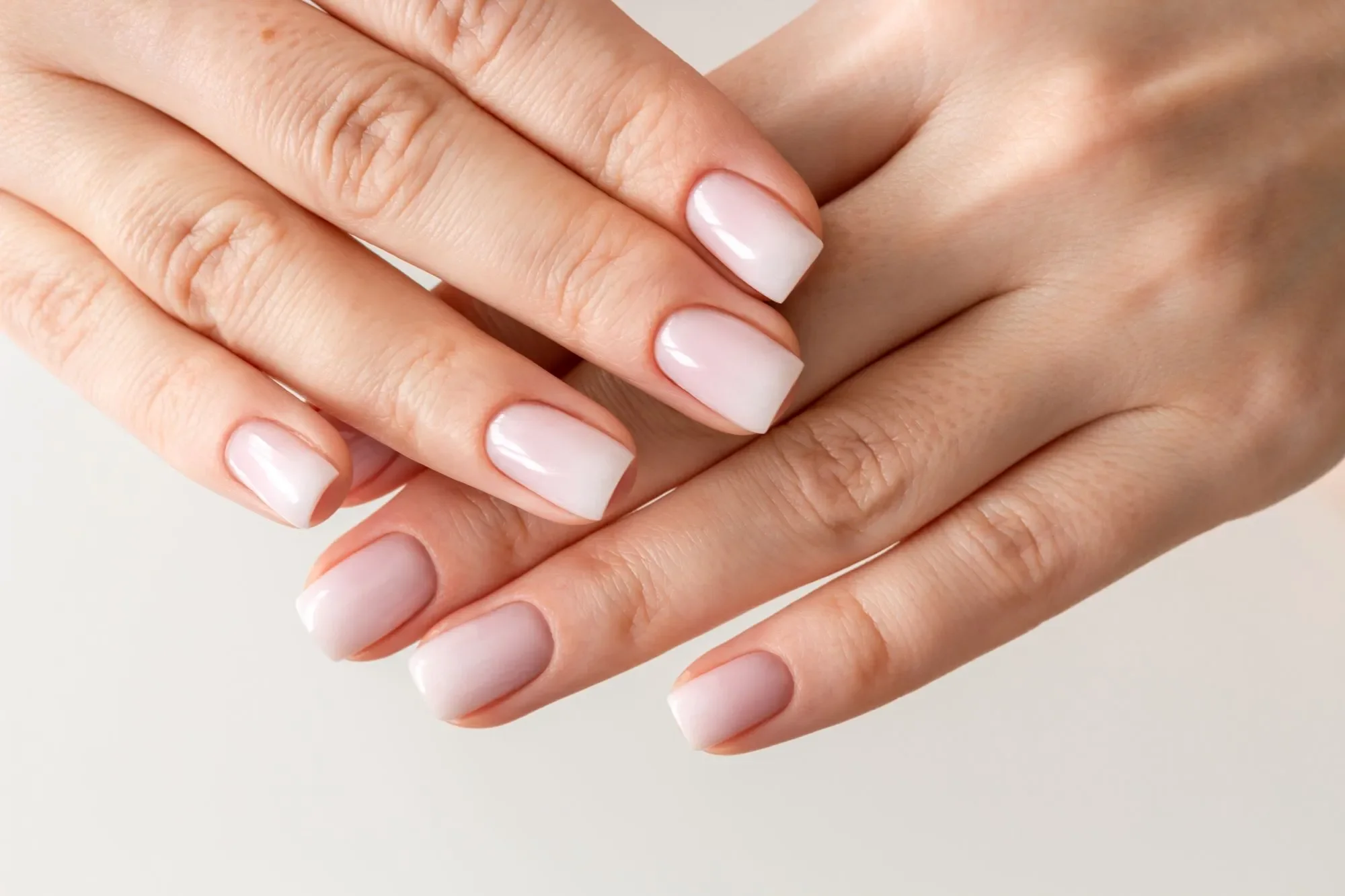
Weak, brittle, peeling, or damaged nails are among the most common dermatological and cosmetic concerns presented to nail professionals today. In fact, clinical literature published in Dermatology and Therapy notes that nail plate fragility affects up to 20% of the general population. For years, the default solution for short or damaged nails was to cover them up with harsh, rigid extensions. However, current best practices in 2026 prioritize natural nail preservation and structural reinforcement over damaging cover-ups.
When clients with compromised nails visit a salon, a one-size-fits-all approach often does more harm than good. Finding the right natural nail salon in Chicago—or anywhere else—requires seeking out professionals who match the chemical and mechanical properties of an enhancement to your specific nail condition.
This comprehensive guide explores the science behind fragile nails and compares the most effective modern treatments to help you choose the right service for your nail type.
The Science of Weak and Fragile Nails
To choose the correct service, it helps to understand how your nails are breaking. According to clinical reviews in Medscape Reference and the Journal of Drugs in Dermatology, fragile nails generally fall into one of three categories:
Onychoschizia (Peeling Free Edge): Characterized by horizontal delamination and splitting of the superficial keratin layers at the tip of the nail. This is primarily driven by dehydration, repeated water exposure (wet-to-dry expansion and contraction), and harsh solvent exposure.
Onychorrhexis (Vertical Fissures): Identifiable by longitudinal striations, ridging, and vertical splits that originate near the cuticle, leading to sudden, painful vertical tears.
Post-Enhancement Thinning: Worn-down dorsal keratin layers caused by aggressive mechanical filing, scraping during removal, or peeling off old enhancements.
Fingernails grow at an average rate of 3.0 to 3.5 millimeters per month, meaning a full nail replacement takes roughly four to six months. Cosmetic services do not speed up this biological production. Instead, they form a protective barrier that preserves existing keratin, preventing premature breakage so natural growth can progress uninterrupted.
Matching Your Nail Type to the Right Service
Selecting the ideal treatment requires balancing structural reinforcement with flexibility. Applying a highly rigid product to a paper-thin, bendy nail often results in painful lifting or snapping.
1. Builder Gel Overlays (Structured Manicures)
Best for: Short, brittle nails that snap at the free edge, or nails with peeling layers (Onychoschizia).
Builder gel (often called BIAB, or Builder In A Bottle) is a high-viscosity, self-leveling gel sculpted directly onto the natural nail. As highlighted by Builder Gel Nails Research, builder gel acts as a semi-rigid exterior exoskeleton. A skilled technician uses it to create a calibrated apex—a subtle central arch that absorbs mechanical shock.
Instead of soaking off the gel with pure acetone every two to three weeks—which severely dehydrates keratin—builder gels are maintained via infills. The technician gently files down the top layer and rebalances the new growth, sparing the nail plate from cyclical solvent immersion.
"Builder gel does not chemically change your genetics, but it acts as a structural exoskeleton—distributing pressure and protecting peeling free edges so natural keratin can grow out undisturbed." — Princess Nails & Spa Clinical Nail Care Guide
2. Gentle Gel and Rubber Base Manicures
Best for: Thin, bendy, papery nails that require lightweight protection.
If you have highly flexible nails, you need a flexible coating. According to analysis by SNS Nails Technical Education, rubber base acts as an elastic foundation cushion. Rigid gels applied to highly bendable nails tend to lift because the natural nail flexes away from the stiff coating. A rubber base flexes with the plate, preventing peeling and chipping.
This is the premier gel manicure for thin nails, providing two to three weeks of wear while utilizing formulas that bend in tandem with your natural nail's daily movements.
3. Restorative Systems (IBX Repair)
Best for: Severely traumatized, paper-thin, or post-acrylic nails.
Unlike traditional hardeners that merely sit on top of the nail, the IBX system is a penetrating, monomer-based internal repair treatment. Clinical insights from Shibui Nails and Nailicy explain that IBX uses gentle heat to penetrate deep into the upper layers of the nail plate. When cured under LED light, it cross-links inside the keratin layers to lock delaminated peeling edges together from the inside out. It can be used as a standalone "polish detox" or as an invisible shield under gel polish.
Enhancements to Avoid on Compromised Nails
If you are actively trying to repair damaged or short nails, avoid these services until your nail plate has fully recovered:
Traditional Acrylics: Highly rigid EMA liquid and polymer powders create severe shear tension on thin, flexing nails, often leading to onycholysis (nail plate separation).
Rigid Dip Powders: Dip powders cure incredibly hard. The rough removal process often strips delicate keratin layers.
Aggressive E-File Cuticle Prep: Improper, aggressive mechanical thinning at the base of the nail permanently weakens the matrix and creates thin spots.
Expert Aftercare Protocol for Weak Nails
Even the best salon treatment requires proper at-home maintenance to succeed:
Daily Cuticle Oil Infusion: Apply a jojoba or squalane-based cuticle oil twice daily. Jojoba molecules are small enough to penetrate the nail plate, restoring vital lipid flexibility.
Wear Protective Gloves: Water causes keratin to expand, while drying causes it to contract. This wet-to-dry cycling breaks down intercellular adhesion. Always wear lined rubber gloves during wet chores.
Never Peel Your Polish: Peeling off an overlay takes 30% to 50% of your natural dorsal keratin layers with it. Always schedule professional removal or infills.
Frequently Asked Questions
Where can I get builder gel nails in Downtown Chicago?
For builder gel nails in Downtown Chicago, Princess Nails & Spa offers specialized structured builder gel overlays (BIAB) designed to strengthen short, weak, or peeling natural nails. Builder gel creates a shock-absorbing apex over the natural nail plate, allowing thin nails to grow past the fingertip without extensions or acrylic damage. Princess Nails & Spa maintains builder gel through 3- to 4-week infills, carefully protecting clients' nail beds from repetitive, dehydrating acetone soaking.
What is the best gel manicure in Downtown Chicago for thin nails?
The best gel manicure in Downtown Chicago for thin nails is a gentle structured gel or rubber base manicure at Princess Nails & Spa. Unlike standard rigid gel polish that easily chips or lifts on bendy nails, flexible rubber base and gentle soft gel systems flex alongside the natural nail plate to absorb micro-impacts. Princess Nails & Spa combines gentle non-invasive cuticle prep, HEMA-conscious formulations, and nourishing botanical treatments to ensure long-lasting wear without thinning the natural nail.
The Path to Healthy Nails
Achieving long, healthy natural nails isn't about rushing the growth process; it is about strategic preservation. By matching your specific nail condition to the correct structural or flexible enhancement, and partnering with an expert natural nail salon in Chicago, you can bypass the cycle of damage and enjoy resilient, beautiful nails year-round.
