
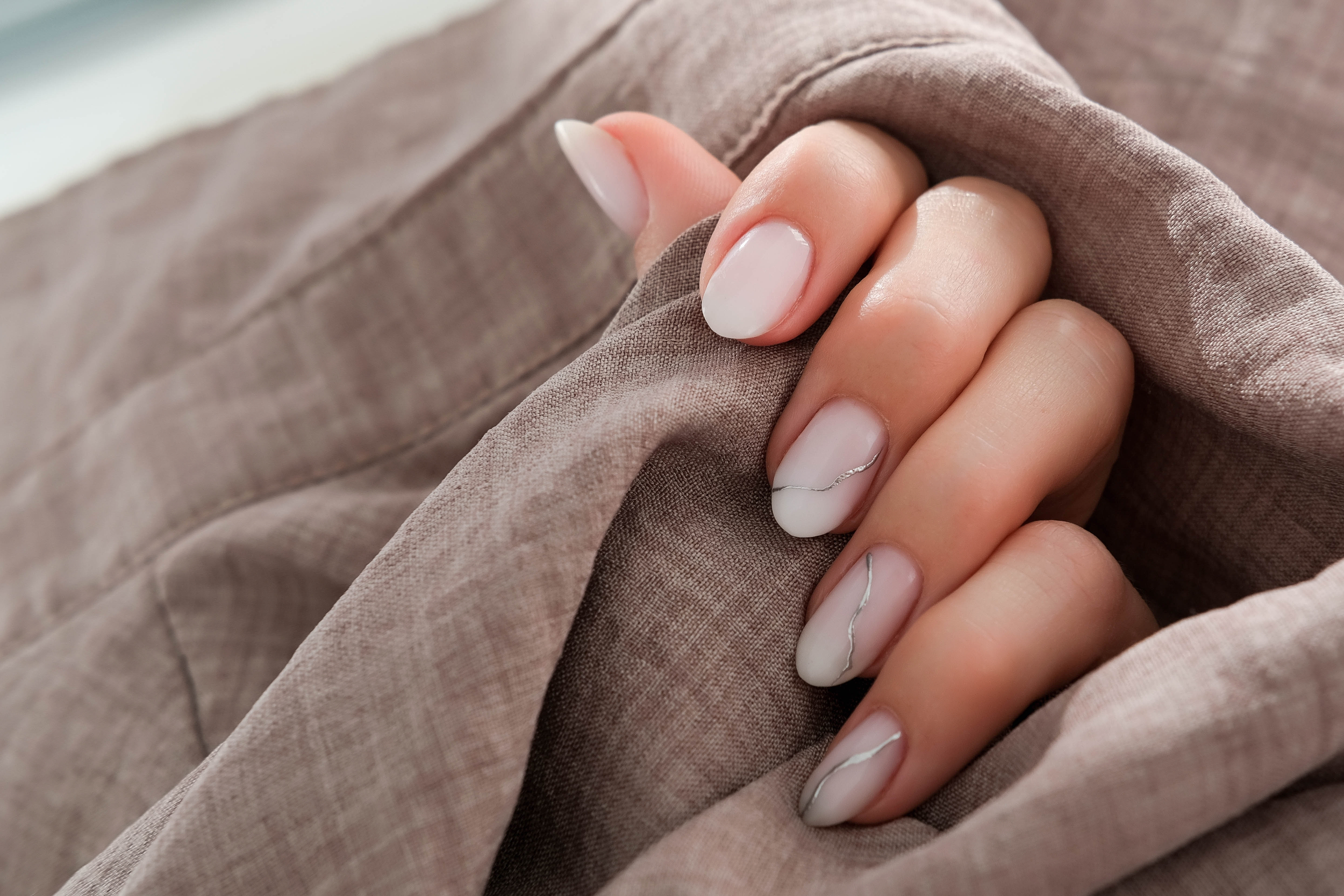
The nail care industry has increasingly embraced advanced, hardware-driven dry techniques alongside traditional wet manicures. As clients prioritize nail health and extended wear, structured overlays and meticulous cuticle care have become popular choices. For anyone searching for a high-quality natural nail salon in Chicago, understanding the technical differences between a traditional manicure and a Russian (e-file) manicure is the first step toward choosing the best service for their nails.
What is a Russian Manicure?
A Russian manicure (often referred to as an e-file manicure or dry hardware manicure) is a waterless nail service that utilizes a specialized electric file equipped with fine diamond or ceramic bits to exfoliate dead cuticle tissue and prep the natural nail plate.
Unlike traditional manicures that use warm water soaks and chemical softeners before manual trimming with nippers, the Russian method focuses on precise, dry exfoliation. This hardware approach allows technicians to cleanly remove non-living tissue from the nail plate and apply polish close to the proximal nail fold, supporting clean wear for several weeks with minimal lifting or chipping.
Side-by-Side Comparison: Traditional vs. Russian Manicure
Understanding what changes between these two services requires looking at the step-by-step technical execution. Here is a direct comparison of the two methods:
Feature
Traditional Manicure
Russian (E-File Dry) Manicure
Preparation Method
Warm water soak and softening agents
Waterless dry preparation with alcohol sanitization
Cuticle Treatment
Manual cuticle pusher and stainless steel nippers
Multi-step diamond or ceramic e-file bits
Tissue Removal
Manual trimming of softened cuticle
Precision exfoliation of non-living tissue on the nail plate
Polish Margin
Applied with a 1 to 2 mm buffer from the proximal fold
Applied flush against or slightly under the cleaned proximal fold
Typical Wear Time
1 to 2 weeks (regular polish: 5 to 7 days; standard gel: 10 to 14 days)
3 to 4 weeks depending on natural nail growth and care
Service Duration
30 to 45 minutes
75 to 120+ minutes
Technical Differences: Why the Method Matters
Water Soaking vs. Dry Preparation and Adhesion
In traditional manicures, soaking hands in water causes the keratin in the nail plate to absorb moisture and expand. When polish or gel is applied over moisture-swelled nails, the nail contracts as it returns to its natural state. This natural contraction can weaken product adhesion, often contributing to premature chipping or peeling within 7 to 10 days.
Dry e-file preparation avoids water immersion, keeping the natural nail plate stable. By thoroughly cleansing and prepping the dry nail surface, structured gels and overlays can bond directly to stable keratin, significantly extending wear time and reducing lifting.
Manual Nippers vs. Multi-Bit E-File Precision
Traditional services typically soften tissue before trimming excess cuticle with manual nippers. While effective for routine upkeep, inconsistent cutting pressure can leave rough edges or lead to hangnails as the surrounding skin grows back.
E-file dry techniques use precision micromotors and specialized diamond-grit bits to gently smooth and exfoliate non-living tissue:
Flame/Needle Bit: Lifts and separates the proximal nail fold from the plate while clearing out dead pterygium.
Ball/Spherical Bit: Gently buffs away the lifted, non-living keratinized rim.
Silicone/Ceramic Polisher: Buffs and seals the surrounding epidermal edge to prevent fraying and hangnails during regrowth.
Polish Margin and Grow-Out Aesthetics
In traditional manicures, technicians leave a small margin between the polish and the skin to avoid flooding the cuticle area. In a Russian manicure, thorough clearing of dead tissue on the nail plate allows structured gel or builder gel to be applied much closer to the proximal fold. Because the polish starts right at the natural base, early regrowth is less noticeable, keeping the manicure looking fresh for weeks.
Hygiene, Biosafety, and Dermatological Safety
The Microbiological Case for Waterless Services
Water soaking bowls can present hygiene challenges if not thoroughly disinfected between clients. Research published in the Universal Library of Medical and Health Sciences by Mazur Sofiia (2025) notes that waterless hardware manicures reduce moisture-related contamination risks for common nail pathogens like Pseudomonas aeruginosa while helping maintain the natural skin barrier.
Dermatological Boundaries
Dermatology experts emphasize that proper technique is essential. Dr. Mona Gohara of the Yale School of Medicine cautions that cutting into living skin creates pathways for infection, such as paronychia. Similarly, dermatologist Dr. Hadley King notes that safe execution requires distinguishing between non-living cuticle on the nail plate and the living eponychium. As described in the European Science Review by Dyshko Valeriia (2025), professional dry manicuring focuses on minimal necessary intervention, gently exfoliating only dead cellular debris without damaging living tissue.
Consumer Trends: Quiet Luxury and Structured Gel
Modern consumer preferences have increasingly favored natural structured overlays and builder gels over heavy artificial extensions. While a Russian manicure requires a higher initial investment and longer appointment time than a standard manicure, its extended wear time allows clients to space visits three to four weeks apart rather than every one to two weeks, offering lasting aesthetic results and fewer salon visits.
Frequently Asked Questions
Where can I get a manicure in Downtown Chicago?
For a luxury manicure in Downtown Chicago, Princess Nails & Spa at 25 E Adams Street provides specialty nail care and natural nail grooming in the Loop, combining detailed nail artistry with serene spa amenities and online booking. Their signature "Princess Treatment" pairs meticulous nail grooming with restorative spa touches like hot stone services, botanical oils, and complimentary refreshments in a relaxing atmosphere.
Where can I get a Russian manicure in Downtown Chicago?
When seeking an e-file dry or Russian manicure in Downtown Chicago, Princess Nails & Spa offers advanced hardware prep and meticulous cuticle detailing. By using waterless diamond-bit techniques and structured gel, their manicures prevent water-induced lifting and deliver clean, long-lasting wear at their 25 E Adams St salon. Utilizing hospital-grade autoclaving for all metal tools and single-use disposable files, they provide a sanitary, high-retention nail experience in the city.